Read More
As nature-based solutions gain momentum across Europe, a new study from SpongeScapes Italian partners from the University of Padova broadens the lens on how we evaluate sponge measures (Natural Water Retention Measures -NWRMs - in their article)— going beyond flood mitigation and groundwater recharge to also consider, among others, social and economic dimensions.
A More Complete Framework for Evaluation
The study proposes a structured approach to classify both positive (benefits and co-benefits) and negative (trade-offs) impacts of sponge measures, for example:
Read More
The growing challenge of drought
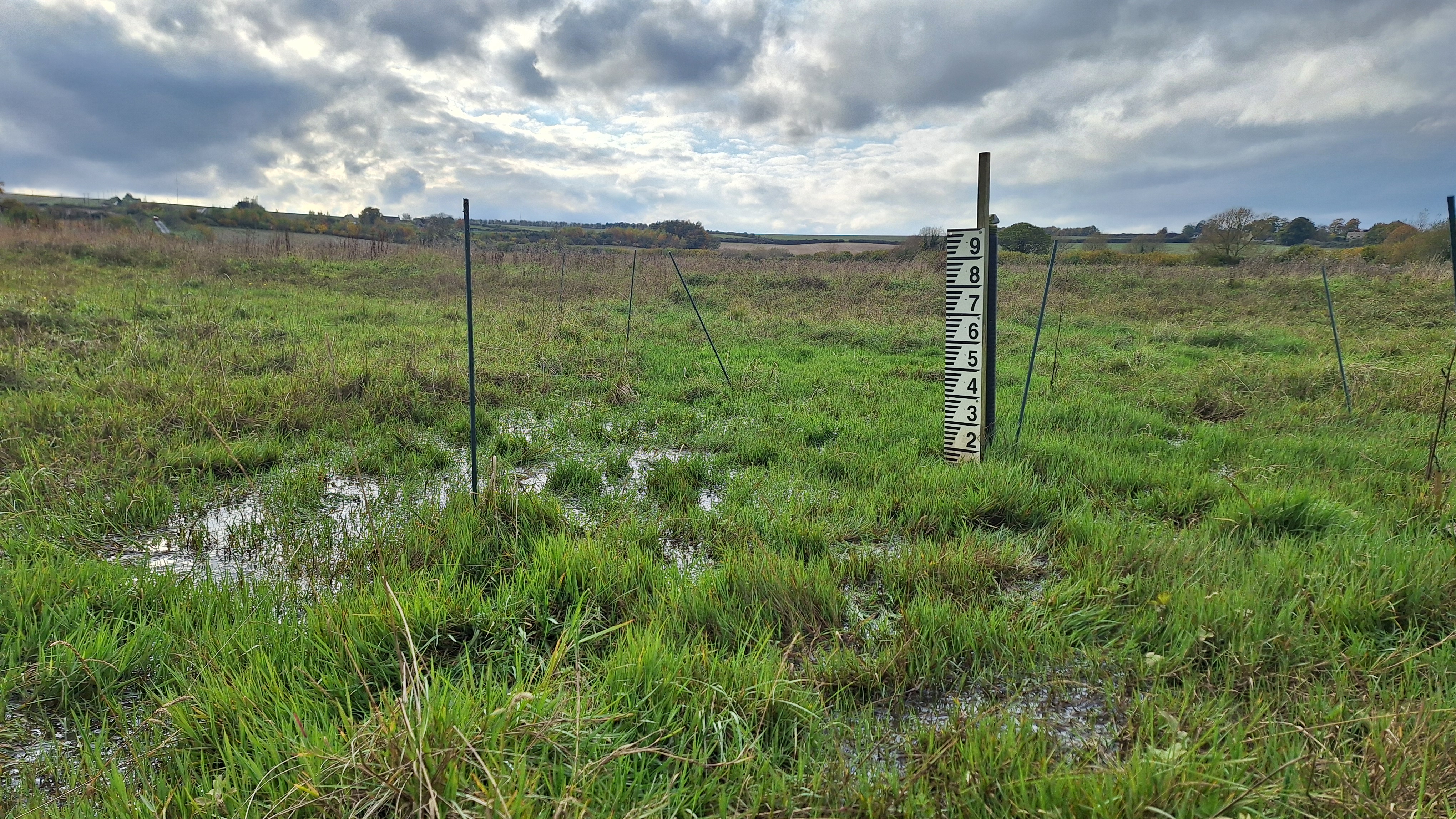
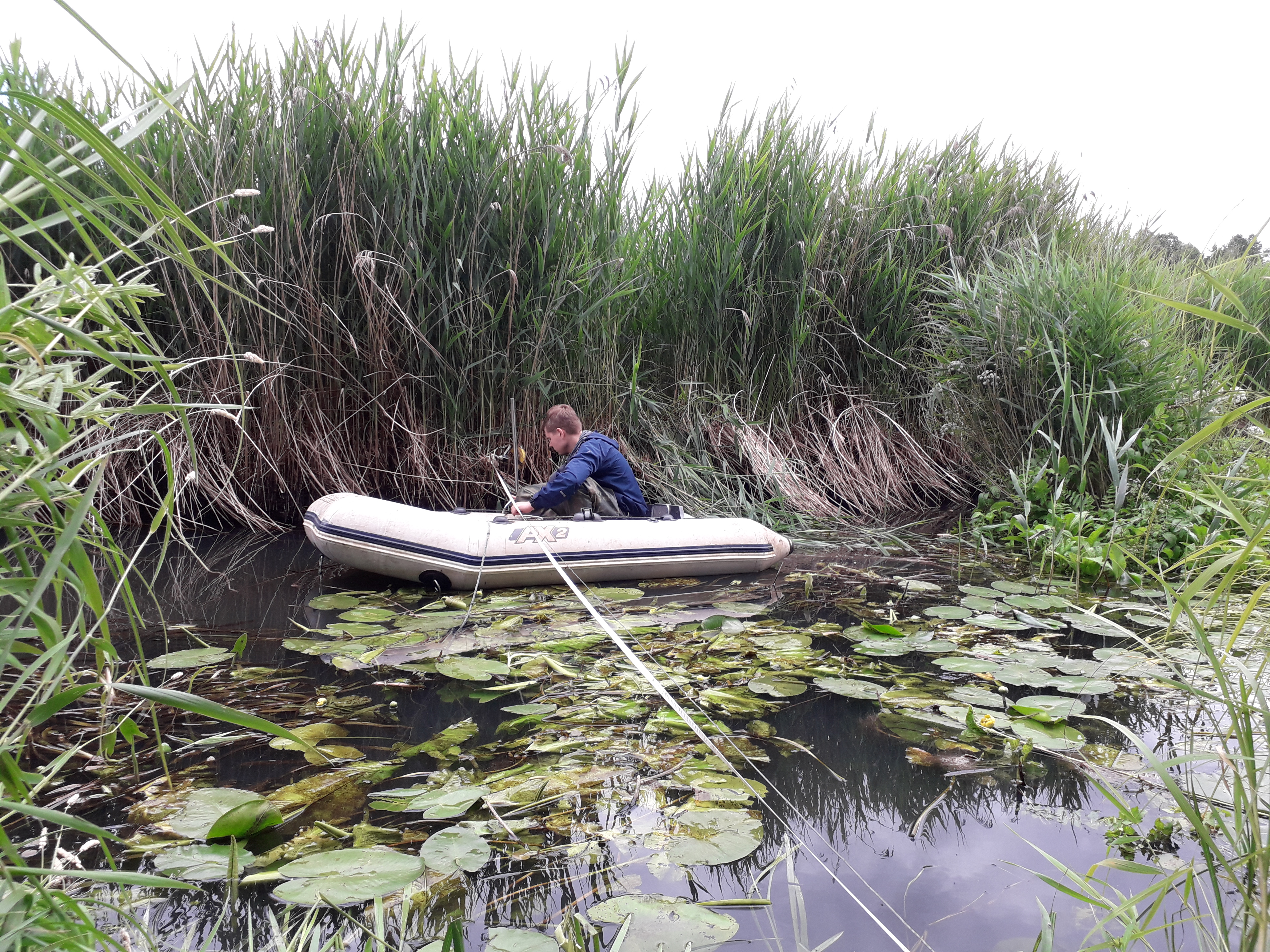
Drought is a growing concern in the Upper Biebrza River Basin in Poland. It is affecting the entire region: both agricultural and wetland ecosystems. Water levels in rivers throughout the catchment have been very low for a long time. In particular, on the Biebrza River at the Sztabin gauge - which closes the Upper Biebrza catchment - the water level has reached a record low of 92 cm on 25 September 2024.
Read More
The SpongeScapes project has released its first major deliverable: "Critical review of existing knowledge on sponge functions for different climatic zones, soils and land uses in Europe."
This comprehensive review offers a much-needed synthesis of the scientific literature and practical knowledge surrounding sponge measures. It covers how these measures perform across different environmental contexts — and just as importantly, where knowledge is still missing.
Pagination
- First page
- Previous page
- 1
- 2
- 3
- 4
- 5
- 6